Master Prompt Engineering
Unlock the full potential of large language models with proven techniques and strategies. From foundational methods to advanced frameworks, learn how to craft prompts that elicit exceptional responses.
Techniques
Practical
Possibilities

Zero-shot Prompting
Directly ask the model to perform a task without any examples. Simple and effective for tasks where the model has sufficient knowledge.
Few-shot Prompting
Provide a few examples of the task before the actual request. Helps guide the model toward the desired output format and behavior.
Chain-of-Thought (CoT)
Encourage the model to generate intermediate reasoning steps before the final answer. Dramatically improves performance on complex reasoning tasks.
Zero-shot CoT
Add 'Let's think step by step' to a zero-shot prompt. Surprisingly effective without any examples.
Self-Consistency
Generate multiple reasoning paths and take the most frequent answer. Improves reliability through ensemble voting.
Tree of Thoughts (ToT)
Explore multiple reasoning branches as a tree structure. Evaluates and looks ahead to find the best path for very complex problems.
Retrieval Augmented Generation (RAG)
Provide the model with relevant documents from an external database. Grounds responses in real data and reduces hallucinations.
ReAct (Reason + Act)
Combine reasoning with taking actions like searching the web or using calculators. Enables external tool integration.
Automatic Prompt Engineer (APE)
Automatically generate and select the best prompt for a task. Eliminates manual trial and error in prompt optimization.
Meta Prompting
Use a prompt to generate or improve another prompt. Enables recursive prompt optimization and self-improvement.
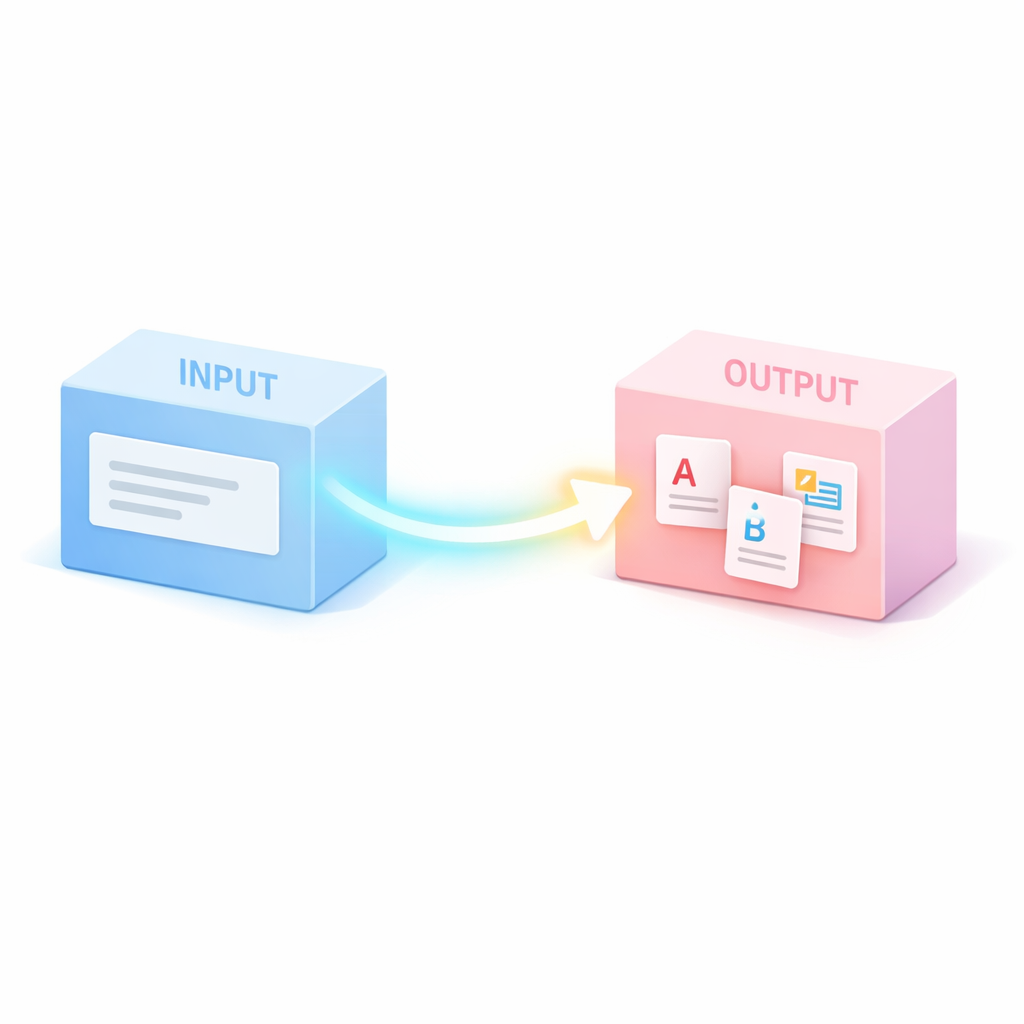
Foundational Techniques
Start with the basics: Zero-shot and Few-shot prompting. These foundational approaches teach you how to structure prompts effectively and guide models toward desired outputs. Master these before moving to advanced techniques.
- ✓ Zero-shot: Direct task execution
- ✓ Few-shot: Example-guided responses
- ✓ Format specification and consistency
Reasoning Techniques
Unlock complex reasoning with Chain-of-Thought and Self-Consistency. These techniques encourage models to show their work, dramatically improving accuracy on challenging problems. Essential for math, logic, and multi-step reasoning.
- ✓ Chain-of-Thought: Step-by-step reasoning
- ✓ Self-Consistency: Multiple paths voting
- ✓ Zero-shot CoT: Reasoning without examples


Advanced Frameworks
Explore Tree of Thoughts, RAG, and ReAct for sophisticated problem-solving. These frameworks enable external tool integration, knowledge retrieval, and complex planning. Perfect for production systems and specialized applications.
- ✓ Tree of Thoughts: Multi-path exploration
- ✓ RAG: Knowledge-grounded generation
- ✓ ReAct: Reasoning with external tools
Optimization & Automation
Automate prompt engineering with APE and Meta Prompting. These techniques generate and refine prompts automatically, eliminating manual trial and error. Scale your prompt engineering efforts with intelligent optimization.
- ✓ Automatic Prompt Engineer: Auto-generation
- ✓ Meta Prompting: Self-improvement
- ✓ Performance optimization at scale

Knowledge & Tool Integration
Leverage external knowledge and tools to enhance your prompts. Retrieval Augmented Generation grounds responses in real data, while tool-use frameworks enable integration with calculators, search engines, and custom APIs.
Retrieval Augmented Generation
Ground responses in external documents and databases
Tool Integration
Connect to calculators, search engines, and APIs

Ready to Master Prompt Engineering?
Start with foundational techniques and progressively explore advanced frameworks. Each technique opens new possibilities for what you can achieve with language models.